China Justice Observer

中司观察

EnglishArabicChinese (Simplified)DutchFrenchGermanHindiItalianJapaneseKoreanPortugueseRussianSpanishSwedishHebrewIndonesianVietnameseThaiTurkishMalay

China to Adjust Application of Criminal Procedure Law in Wartime

Mon, 17 Apr 2023
Categories: China Legal Trends

The Standing Committee of the National People’s Congress, China’s top legislature, authorizes China’s Central Military Commission (CMC) to adjust the application of the Criminal Procedure Law in wartime.

In terms of the military’s wartime criminal prosecution activities, the CMC can adjust some specific provisions of China’s Criminal Procedure Law regarding jurisdiction, defense and

representation, compulsory measures, filing, investigation, prosecution, trial, and execution.

On 24 Feb. 2023, the NPC Standing Committee adopted the “Decision on Adjusting the Application of Certain Provisions of China’s Criminal Procedure Law for the Military in Wartime” (关于军队战时调整适用<中华人民共和国刑事诉讼法>部分规定的决定), which introduces the above provision and aims to “legally ensure that the people's military effectively performs its mission and duties in the new era while improving its ability to win”.


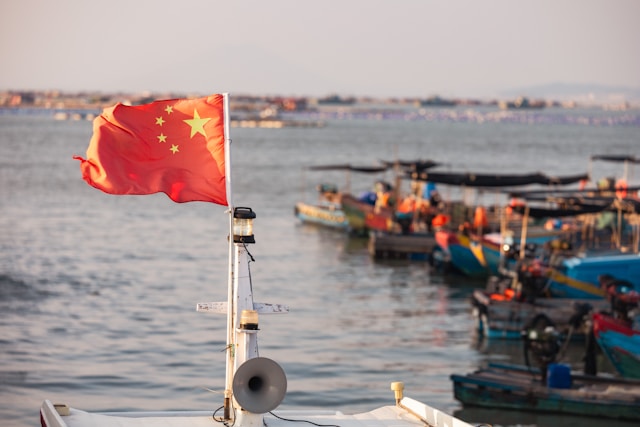
Cover Photo by manos koutras on Unsplash

Contributors: CJO Staff Contributors Team

Save as PDF

You might also like

Chinese Judgments Go Global: Emerging Systemic Challenges and Confidence Deficit

This post analyzes the historic rise in cross-border judgment enforcement involving China, specifically focusing on the persistent challenges hindering the recognition of Chinese judgments abroad. It identifies two primary obstacles—emerging legal hurdles regarding systemic due process and a "confidence deficit" among Chinese creditors—and argues that addressing these is essential to sustaining the framework of mutual recognition.

China MOJ Boosts World-Class Arbitration Institutions

In 2025, China's Ministry of Justice (MOJ) launched an initiative to cultivate leading international arbitration institutions with Chinese characteristics, selecting 22 for the first batch amid growing global recognition of Chinese arbitration hubs.