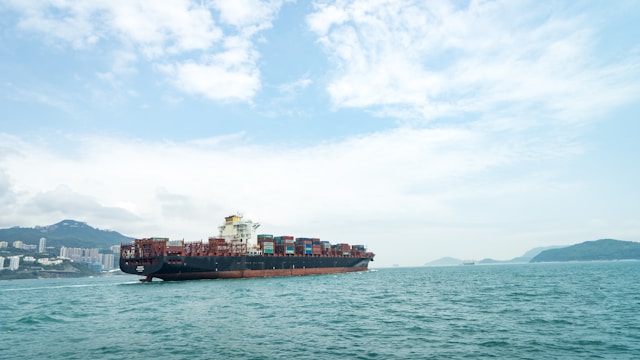
The newly established International Organization for Mediation (IOMed) has successfully resolved its inaugural case—a maritime charter dispute between Chinese and Singaporean parties—marking a major milestone for the world’s first government-backed global mediation body.
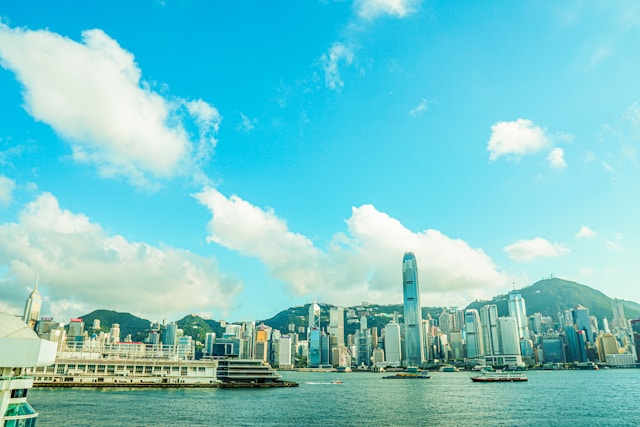
Headquartered in Hong Kong, the IOMed achieved the successful settlement in early May 2026. IOMed Secretary-General Prof. Teresa CHENG Yeuk-wah SC disclosed the breakthrough on May 8 at the Global Mediation Summit in Hong Kong, hailing it as a testament to the efficacy of mediation in resolving complex international maritime conflicts.
The dispute was handled by Ms. Rosita Lau, a Hong Kong-based international maritime lawyer, who served as the sole mediator. Cheng emphasized that all mediation proceedings remain strictly confidential, and details of this case were disclosed exclusively with the consent of all involved parties.
Significantly, while Singapore is not a signatory to the Convention on the Establishment of the International Organization for Mediation, the IOMed extends its dispute resolution services to parties from non-signatory states on a voluntary basis.
As the first intergovernmental legal organization established by its namesake convention, the IOMed maintains its permanent seat in Hong Kong. To date, 41 countries have signed the convention, with 12 having completed their domestic ratification processes. The IOMed is mandated to facilitate the resolution of three categories of disputes: state-to-state, investor-state, and international commercial disputes. Operating strictly on the principle of party autonomy, the mediation process allows any party to withdraw at any time, ensuring all proceedings are confidential and conducted without prejudice to the parties’ rights in any subsequent legal or arbitral proceedings.
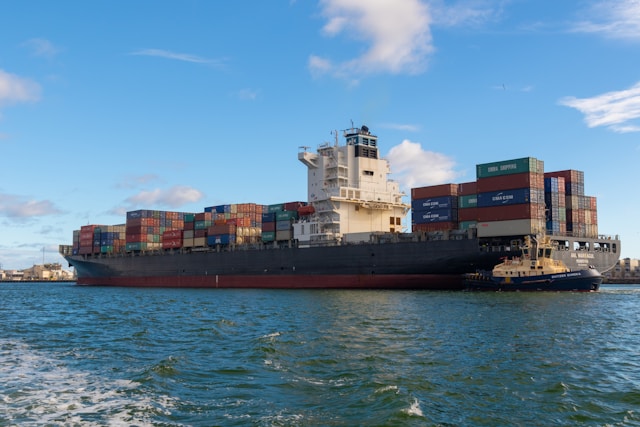
Photo by John Simmons on Unsplash
Contributors: CJO Staff Contributors Team