Xiamen's People's Congress passed the Personal Bankruptcy Protection Regulations for the Xiamen Special Economic Zone (“厦门经济特区个人破产保护条例”) on 26 Aug. 2025, with the law taking effect on November 1. This marks the second local personal bankruptcy law in mainland China, following Shenzhen's similar measure that began in March 2021. The legislation aims to fill a long-standing gap in China’s legal system by providing a path for insolvent individuals to reorganize their finances or seek a fresh start.
The law applies to individuals who have lived or operated businesses in Xiamen for at least five consecutive years. If they cannot repay due debts and lack sufficient assets, they may seek reorganization, settlement, or liquidation. Creditors with claims totaling more than five times the city's previous year's per capita disposable income for residents can also initiate applications.
A core tenet of the law is the protection of "honest but unfortunate" debtors. It introduces an exempt asset system, allowing individuals to retain property necessary for basic living and professional development. Additionally, the law provides for the discharge of remaining debts after a designated observation period and includes a specialized chapter on credit restoration. To curb malicious debt evasion, it sets up a public bankruptcy information platform, integrity checks, and stiffer penalties for fraud, including fines or criminal charges for false asset declarations. It also introduces special procedures like pre-court debt resolution, inheritance bankruptcy, and joint spousal bankruptcy, while streamlining reorganization-to-liquidation transitions and cutting costs.
The first application under the new law was recorded on 3 Nov. 2025 by the Xiamen Intermediate People’s Court. The applicant is the founder of a nationally certified high-tech Internet of Things (IoT) firm who faced financial collapse due to pandemic-related disruptions and heightened market competition. After their personal assets and those of their spouse were seized for debt repayment, they sought relief through the new legal framework. The court is currently reviewing the materials and will issue a ruling on the case following a mandatory public notification period.
Mainland China has historically lacked a personal bankruptcy framework. Xiamen's law borrows from the national Enterprise Bankruptcy Law and Shenzhen's model to balance creditor and debtor interests and enable economic recovery for debtors.
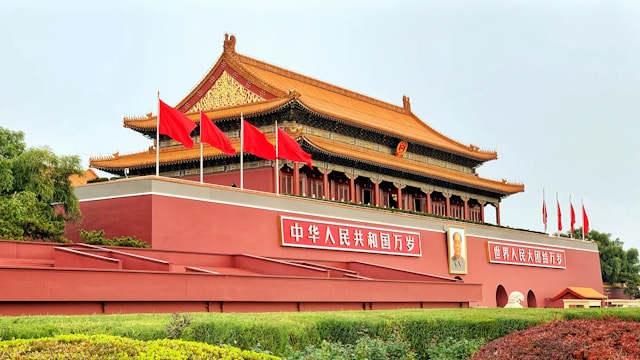
Photo by Woo Winter on Unsplash
Contributors: CJO Staff Contributors Team