China Justice Observer

中司观察

EnglishArabicChinese (Simplified)DutchFrenchGermanHindiItalianJapaneseKoreanPortugueseRussianSpanishSwedishHebrewIndonesianVietnameseThaiTurkishMalay

SPC Releases Typical Cases Involving COVID-19 Epidemic-related Crimes

Mon, 20 Jun 2022
Categories: China Legal Trends

On 9 Apr. 2022, China’s Supreme People’s Court (SPC) released five typical cases involving crimes against COVID-19 epidemic prevention and control.

The typical cases involve behaviors jeopardizing the prevention and control of infectious diseases, inbound passengers failing to fill in health declaration forms truthfully, acts of making and selling false nucleic acid test reports, offenders assaulting police officers at vaccination sites, as well as fabrication and deliberate spread of false epidemic information.

While the Omicron variants have brought new challenges to the epidemic prevention and control in China, crimes against COVID-19 epidemic prevention and control, such as refusing to implement epidemic prevention measures, obstructing official duties, and falsifying nucleic acid test reports, have made the situation even worse, states the SPC. Therefore, the SPC released these typical cases as a reference for local courts to handle similar cases.


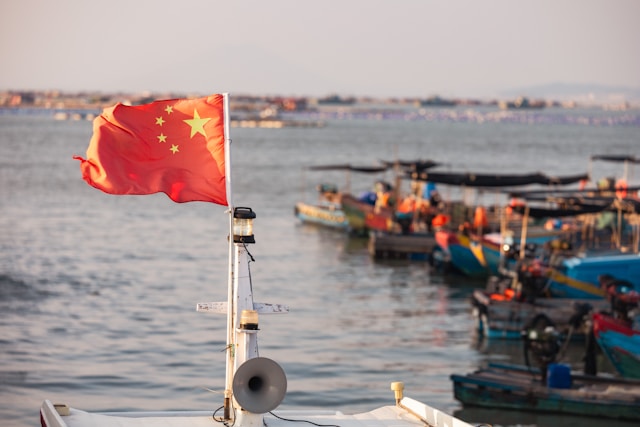
Cover Photo by Loeng Lig on Unsplash

Contributors: CJO Staff Contributors Team

Save as PDF

You might also like

Chinese Judgments Go Global: Emerging Systemic Challenges and Confidence Deficit

This post analyzes the historic rise in cross-border judgment enforcement involving China, specifically focusing on the persistent challenges hindering the recognition of Chinese judgments abroad. It identifies two primary obstacles—emerging legal hurdles regarding systemic due process and a "confidence deficit" among Chinese creditors—and argues that addressing these is essential to sustaining the framework of mutual recognition.

China MOJ Boosts World-Class Arbitration Institutions

In 2025, China's Ministry of Justice (MOJ) launched an initiative to cultivate leading international arbitration institutions with Chinese characteristics, selecting 22 for the first batch amid growing global recognition of Chinese arbitration hubs.