On 3 Sept. 2021, China’s central authorities issued the “General Plan for Building Guangdong-Macao In-Depth Cooperation Zone in Hengqin” (hereinafter “the General Plan”, 横琴粤澳深度合作区建设总体方案).
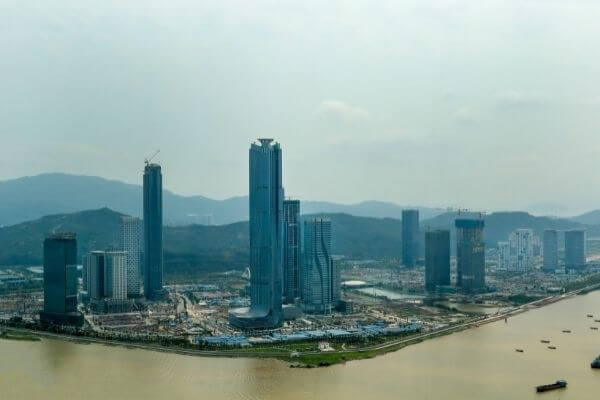
According to the General Plan, the implementation scope of the Cooperation Zone is the customs inspection area between the “first line" and the “second line" of Hengqin Island. Specifically, the "first line" is the boundary between Hengqin and Macao Special Administrative Region, and the "second line" is the boundary between Hengqin and other areas within the customs territory of China.
The General Plan proposes to implement the market access commitment system and strictly follow the principle of "free access unless prohibited". In terms of fields subject to mandatory standards, the relevant authorities shall cancel the licensing and approval, and establish a sound recordation system. Market players may carry out investment and operation activities once they undertake to meet the relevant requirements and submit the relevant materials for recordation.
Cover Photo by Renato Marques (https://unsplash.com/@renatomarques) on Unsplash
Contributors: CJO Staff Contributors Team