On 2 Jan. 2025, the fifth anniversary of the implementation of China’s Foreign Investment Law, China’s Supreme People’s Court (SPC) released its first batch of typical cases on protecting foreign investment interests. These cases aim to implement the national treatment and negative list management system for foreign investments, demonstrating efforts to maintain foreign investment order and enhance investor confidence.
This batch includes five cases involving disputes over damages to company interest, shareholders’ information rights, dissolution of companies, return of company certificates, and liability for transactions with related parties.
For example, in Case No.3 involving Tokyo-based A Co., Ltd. and Song, there is a dispute over the return of company certificates. Tai Company in Zhongshan City, a wholly foreign-owned limited liability company, had A Co., Ltd. as its sole shareholder. The former legal representative of Tai Co. refused to execute shareholder decisions and board resolutions. Taking advantage of the convenience of holding the company business certificates, the representative engaged in actions that harmed Tai Co.’s interests. The Zhongshan Primary People’s Court, Guangdong, issued a preservation of conduct, ordering the former legal representative to act according to certain requirements and prohibiting certain actions to prevent further damage, thereby safeguarding the normal operations of the foreign-invested enterprise.
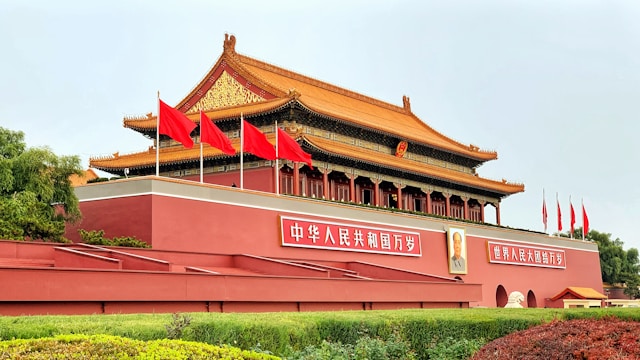
Photo by Vidar Nordli-Mathisen on Unsplash
Contributors: CJO Staff Contributors Team