China Justice Observer

中司观察

EnglishArabicChinese (Simplified)DutchFrenchGermanHindiItalianJapaneseKoreanPortugueseRussianSpanishSwedishHebrewIndonesianVietnameseThaiTurkishMalay

Beijing Promotes Artificial Intelligence Development

Tue, 08 Aug 2023
Categories: China Legal Trends

On 23 May 2023, the Beijing Municipal Government (hereinafter the Beijing) issued the “Several Measures to Promote the Innovation and Development of Artificial General Intelligence (general AI) in Beijing” (hereinafter the Measures, 北京市促进通用人工智能创新发展的若干措施).

Noteworthy points in the Measures are as follows.

  • Beijing will take the lead in establishing a Public Computing Power Center to centralize the city’s computing resources.
  • Beijing will establish open basic training data sets to provide high-quality data.
  • Beijing will promote the construction of a general AI technology system such as large-scale models.
  • Beijing will facilitate the application of general AI technologies in innovative scenarios, such as providing opportunities for AI to be used in government services, medical services, and other fields.


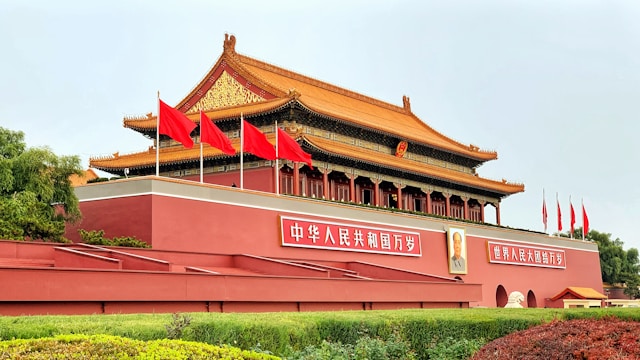
Photo by Jisun Han on Unsplash

Contributors: CJO Staff Contributors Team

Save as PDF

You might also like

IOMed Settles First Case, Resolving China-Singapore Maritime Dispute

The newly established International Organization for Mediation (IOMed) has successfully resolved its inaugural case—a maritime charter dispute between Chinese and Singaporean parties—marking a major milestone for the world’s first government-backed global mediation body.

China Overhauls Arbitration Law for Global Alignment

Having entered into force on March 1, 2026, China’s first comprehensive revision of its 1995 Arbitration Law has introduced ad hoc arbitration, strengthened interim relief, and aligned the legal framework more closely with international standards.

Chinese Judgments Go Global: Emerging Systemic Challenges and Confidence Deficit

This post analyzes the historic rise in cross-border judgment enforcement involving China, specifically focusing on the persistent challenges hindering the recognition of Chinese judgments abroad. It identifies two primary obstacles—emerging legal hurdles regarding systemic due process and a "confidence deficit" among Chinese creditors—and argues that addressing these is essential to sustaining the framework of mutual recognition.